Increased lamb survival and improved dairy cow health offered by planting trees
Posted 17 September 2014
“Tree management doesn’t just include planting new saplings; it also involves restoring and making the most of existing woodland. Forestry has a significant part to play in farming, and I was very happy to highlight the opportunities it offers to those within the industry.”

Farmers discovered ways of improving the health and wellbeing of livestock at a recent event aimed at highlighting how trees can increase a farm’s productivity.
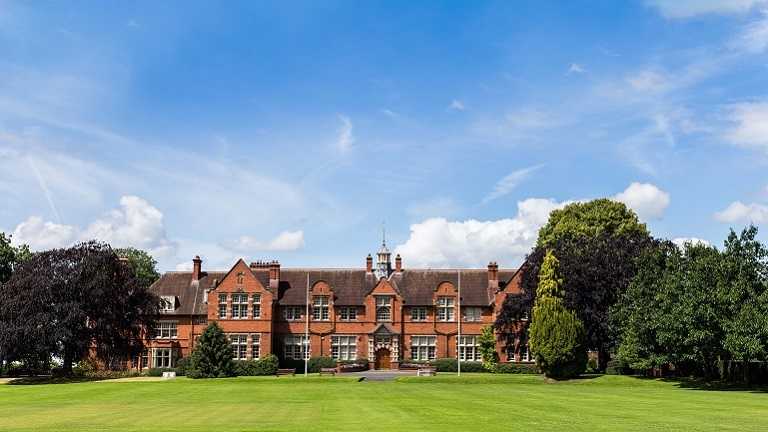
Industry experts and researchers discussed how trees can improve the resilience of ruminant livestock systems by providing shelter, supporting grass growth and reducing poaching and nutrient run-off at a seminar organised by the Woodland Trust and Harper Adams University that took place last week (Thursday 11 September).
The Woodland Trust discussed the functional value of trees on farms, along with evidence of how they can be integrated with existing sheep and dairy farm systems to provide additional sources of income, such as by supplying wood fuel and growing fruit crops.
Vet Fiona Lovatt, with the assistance of the National Sheep Association, demonstrated how trees can provide health benefits for sheep. She explained how tree planting on poor, wet areas of a farm can improve drainage and lower the risk of liver fluke and lameness. Planting shelter belts to increase lamb survival rates was also discussed as part of the workshop.
Organic Dairy Farmer, Tim Downes, shared his experience of planting trees on his farm in Shropshire. Tim said: “Currently I am trialling the preferred species and browsing behaviour of my cows that are being given access to rows of fodder, and medicinal trees, such as hornbeam, willow and sycamore. I am investigating whether certain properties within the leaves affect the cows’ digestion - which I hope will also lead to an improvement in milk yield.”
Representatives from Natural England and the Forestry Commission then spoke about the support available to farmers and how to apply for funding to carry out tree planting schemes of their own.
Jim Waterson MICFor, Senior Lecturer at Harper Adams University, who is involved with a Woodland Trust research project, said: “Tree management doesn’t just include planting new saplings; it also involves restoring and making the most of existing woodland. Forestry has a significant part to play in farming, and I was very happy to highlight the opportunities it offers to those within the industry.”
John Tucker, the Woodland Trust’s Woodland Creation Director, said: “What this event demonstrated is that trees and shelter belts do not take land out of production – they actually enhance its value and add functionality. It was fantastic to meet so many people interested to hear about the intrinsic value of trees on farmland, and I hope this event inspires them to integrate trees within their own businesses.”
To find out more about the advice and support available to farmers from the Woodland Trust, visit www.woodlandtrust.org.uk/plant-trees
Most popular
-
 125th anniversary celebrations launched by Chancellor Her Royal Highness The Princess Royal
29 September -
 Graduate planning to transform Shetland farming named Farmers Weekly Ag Student of the Year
2 October -
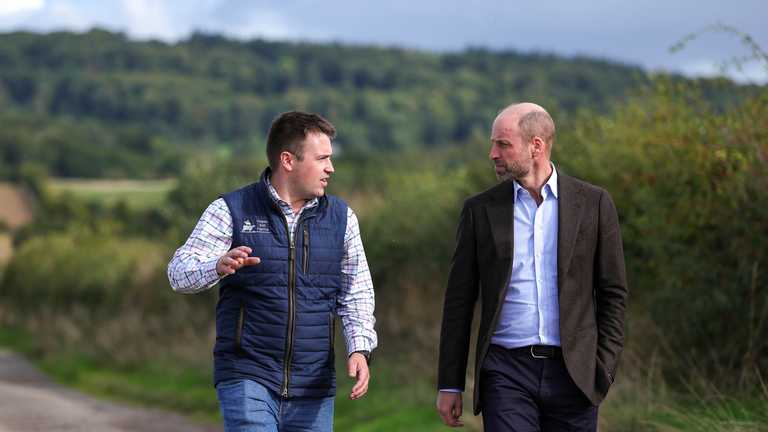 Award-winning graduate takes on Duchy of Cornwall’s first regenerative Farm Business Tenancy
6 October -
 Allied professionals can support farmer mental health - but should not be relied upon and need help themselves, study says
5 October -
 Graduation 2026: meet our alumni speakers
18 September -
 Conference and party round off 125th anniversary opening celebrations
30 September
Related articles
Allied professionals can support farmer mental health - but should not be relied upon and need help themselves, study says
Posted 5 OctoberConference and party round off 125th anniversary opening celebrations
Posted 30 September